Complete Guide to Proper Dumpster Loading
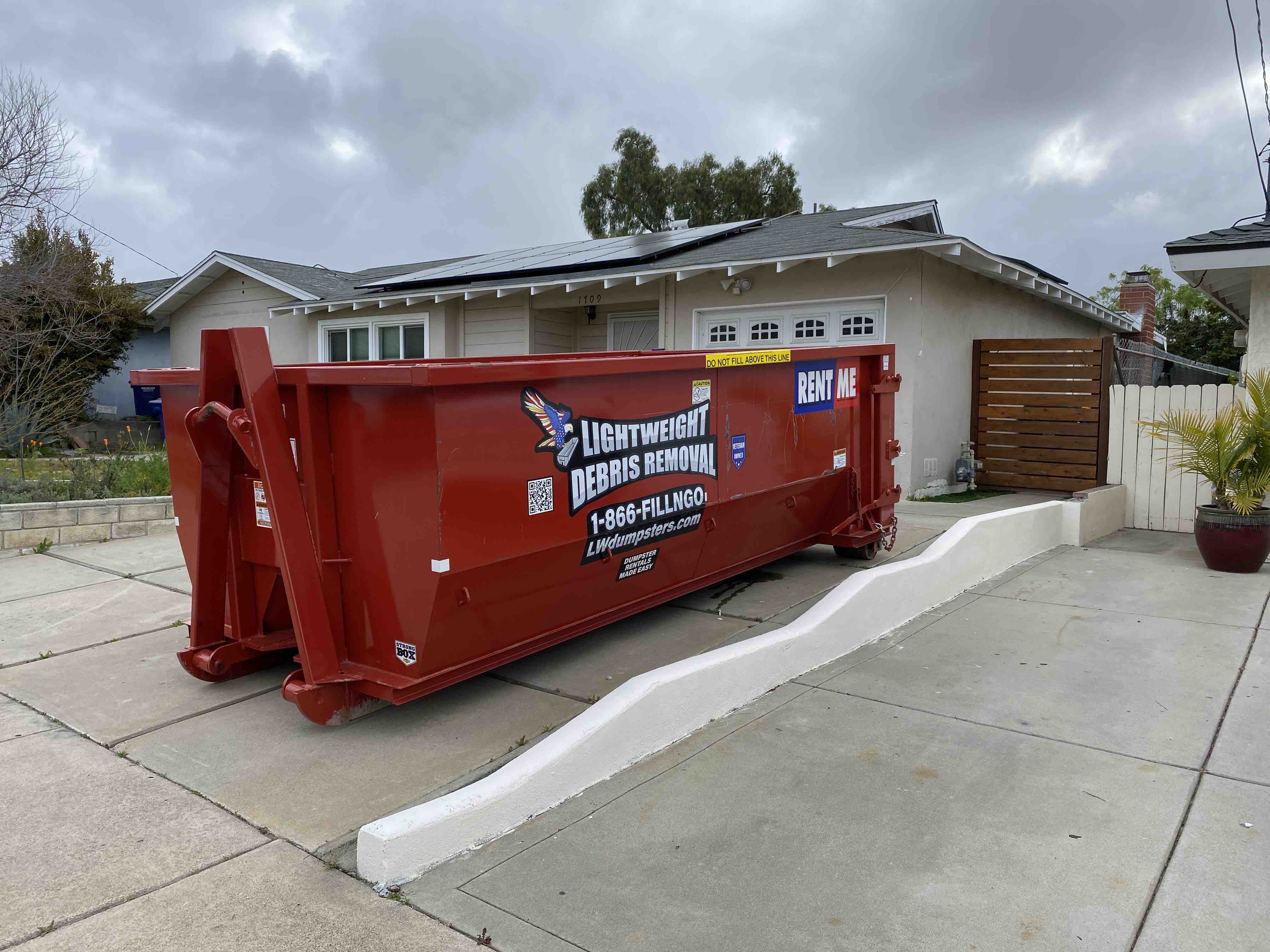
If you're managing a construction, renovation, or decluttering job, loading a dumpster might appear simple. However, how materials are arranged can greatly influence space efficiency, safety, and speed. Most people don’t realize how much strategy goes into correct dumpster loading, leading to wasted space, risks, and slower progress.
At Lightweight Debris Removal, we emphasize that proper dumpster loading is just as vital as choosing the right container size. By staying organized, you can make the most of your dumpster and keep operations safe and smooth. Our mission is to guide clients in getting maximum value from their dumpster rental by promoting smart loading practices that cut clutter, prevent harm, and make cleanup more efficient.
Organizing Before You Begin Loading
Before filling the dumpster, taking time to organize is essential. Evaluate the debris you plan to throw away and separate recyclables or items needing careful handling. Sorting ahead of time promotes a smooth workflow and limits the need for reorganization later. Separating risky materials improves safety and prevents potential accidents.
Planning how items will be loaded is another critical step. Start by positioning large, heavy pieces at the bottom for balance. Next, stack smaller items above to utilize all available room. Proper planning prevents uneven distribution and potential shifting during transport. This approach improves both safety and efficiency throughout the job.
Smart Space Management for Dumpster Loading
Proper space utilization can make a major difference in how much waste fits. Disassemble big items—like cabinets or couches—before loading them. Crushing or flattening materials helps create more usable space. It helps you fit additional material without overcrowding or instability.
Another good method is layering your load properly. Start with flat, dense materials on the bottom for support. Then alternate with lighter items to fill gaps efficiently. Avoid stacking debris past the dumpster’s top edge to maintain safety. Layering effectively ensures a neater, safer, and more productive loading experience.
Safety Best Practices for Dumpster Loading
Safety should be at the forefront during every loading task. Always wear gloves, closed-toe shoes, and suitable protective clothing. Make sure your workspace is clear of debris or uneven ground before lifting. Staying alert around the dumpster keeps the process safe and organized.
Refrain from throwing objects into the dumpster carelessly, as it can cause unpredictable movement or potential damage. Instead, place objects deliberately and with control. If something is heavy or large, ask for assistance rather than risk injury. By practicing caution, you maintain both productivity and protection on-site.
Efficiently Sorting and Arranging Materials
Keeping materials sorted throughout the loading process is essential for maintaining efficiency. Separate different materials like wood, metal, and household refuse for easier management. This practice makes loading and unloading smoother while simplifying disposal later. You’ll also easily spot recyclable materials, reducing waste and encouraging sustainable habits.
Keeping materials organized reduces the need to rearrange items once they’re inside. Place lightweight materials such as cardboard or fabric on top, while heavy objects go below. By organizing weight properly, the dumpster remains secure and tidy. Consistent organization results in a faster, safer, and more productive cleanup process overall.
Preventing Property Damage During Dumpster Placement
While dumpsters are sturdy, the surfaces they rest on can be fragile. Use wooden beams or other protectors beneath to reduce stress on driveways and pavements. This easy precaution helps maintain the integrity of your property during the project.
Choosing the right placement location is just as important. Select a flat, accessible space that allows for smooth loading and avoids blocking driveways or walkways. Do not place it near fragile features like fences or shrubs to prevent accidental harm. Thoughtful setup ensures a smooth experience and minimizes potential property risks.
Maximizing Efficiency for Large Projects
Big projects tend to generate constant debris that needs proper management. Prepare a sorting zone to prearrange waste and make the loading phase smoother. It promotes even weight distribution and reduces inefficiencies mid-project.
Teamwork and clear communication are essential to efficient operations. Assign crew members to specific duties such as sorting, lifting, or compacting debris. When everyone knows their tasks, the process runs faster and stays organized. Planning and cooperation are vital for completing big projects without unnecessary setbacks.
What You Should Avoid Loading Into a Dumpster
Not all waste materials belong in a standard dumpster, and knowing what’s restricted is vital. Items such as toxic waste, chemicals, and electronic devices need regulated disposal. Improper disposal can damage the environment and lead to regulatory issues. Always confirm what’s allowed before starting to load your dumpster.
Never load the container above its designated fill line or weight limit. An overfilled dumpster can create handling issues and pose transport hazards. Staying within capacity ensures safety and compliance with waste standards. Awareness of limits helps avoid issues during collection and hauling.
Choosing a Dependable Dumpster Rental Partner
Having a reliable dumpster rental read more company by your side streamlines the job significantly. Lightweight Debris Removal takes pride in providing professional dumpster rentals for residential and commercial use. We ensure on-time delivery, responsive assistance, and easy pickup for every customer.
Choosing a service dedicated to client satisfaction ensures smoother operations. Attention to detail, communication, and timeliness create successful outcomes. Lightweight Debris Removal continues to prioritize safety, organization, and customer satisfaction in every rental experience.
Creating an Organized and Productive Worksite
Proper dumpster organization contributes to faster, more productive results. A tidy site helps teams focus on tasks without unnecessary clutter or confusion. Through planning and efficient methods, you’ll complete jobs faster and cleaner.
Lightweight Debris Removal inspires users to view dumpster loading as an opportunity for improvement. This approach enhances safety, promotes productivity, and preserves property. Through foresight, precision, and teamwork, dumpster loading transforms into a vital part of success.